IBM Law Enforcement
UX / UI / UX RESEARCH / DESIGN THINKING / USABILITY TESTING / AI / IBM WATSON
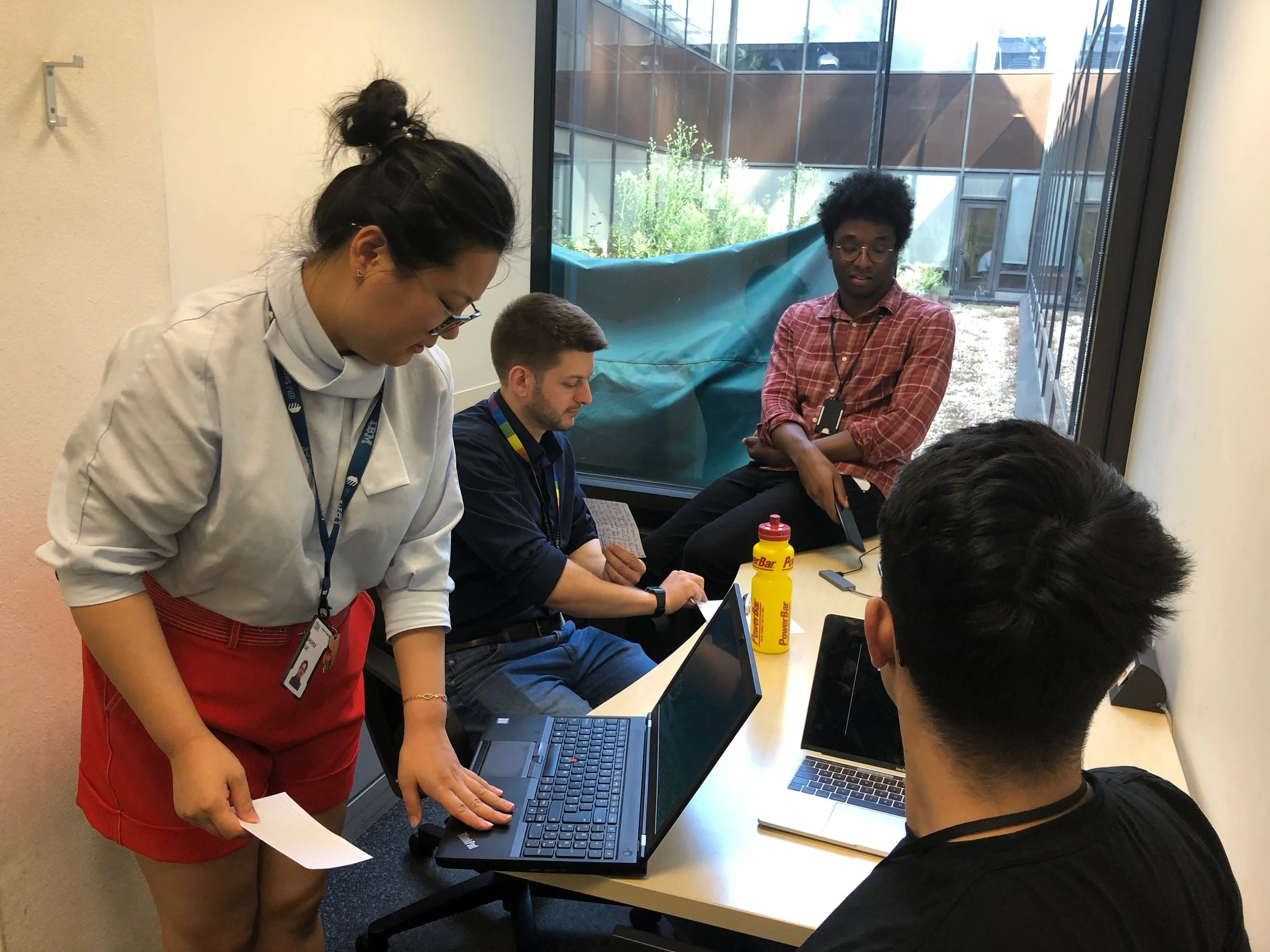
As part of the IBM Skills Academy, the 2019 cohort was separated into teams to develop a proof-of-concept for a real-life industry challenge which had been briefed into the rapid prototyping team in London. The DSA took participants through an intensive 4 week training course where we got the opportunity to learn hands-on technical skills across over-lapping areas such as web development, cloud, AI, IoT and so on, plus wider topics such as “Architectural Thinking”.
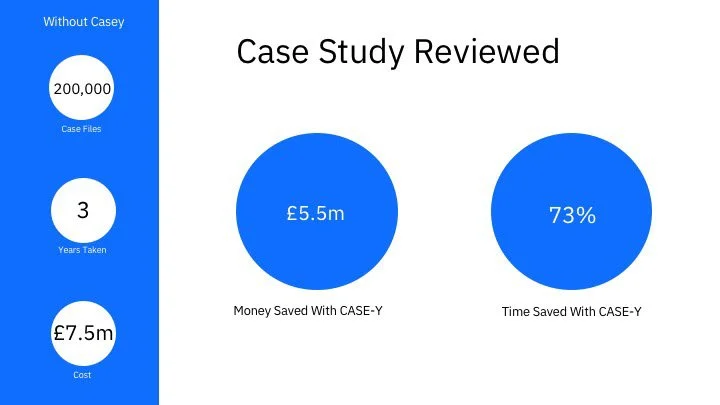
Law enforcement agencies conducting investigations receive large volumes of case specific documents and whilst several thousand may be received, only a subset of those documents are of investigative value. Police officers are required to read every document to ensure that all information relevant to the case has been considered. An example case study the team reviewed revealed that the case required investigating officers to go through nearly 200,000 documents, which took 3 years at a cost of £7.5million.
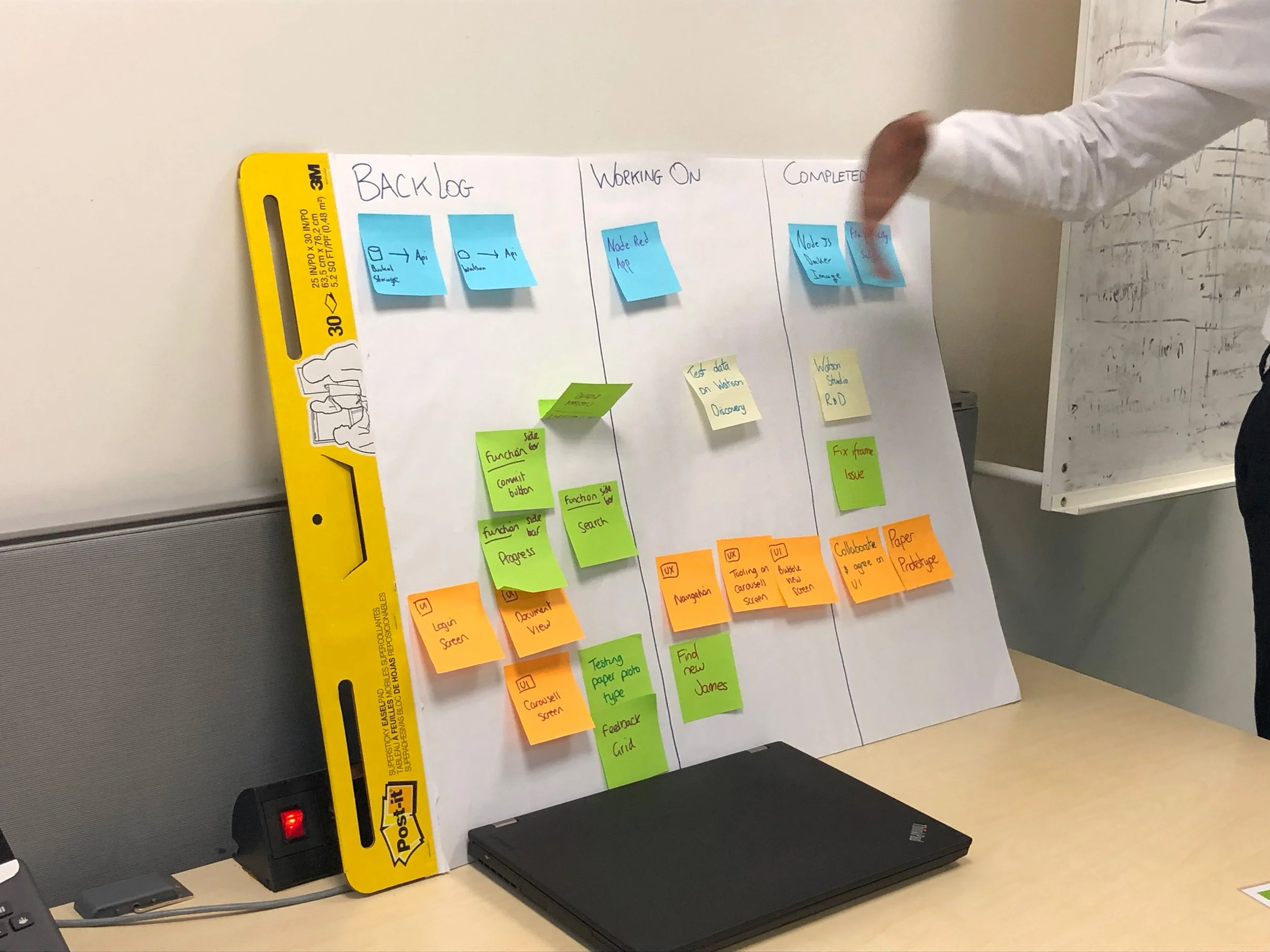
Within the team I was responsible for the UX / UI design of the prototype and members of the rest of the team took on the roles of:
Back-end Developer / Front-end Developer / Scrub Master / 2x Researchers
IBM Design Thinking
A two day workshop consisted of:
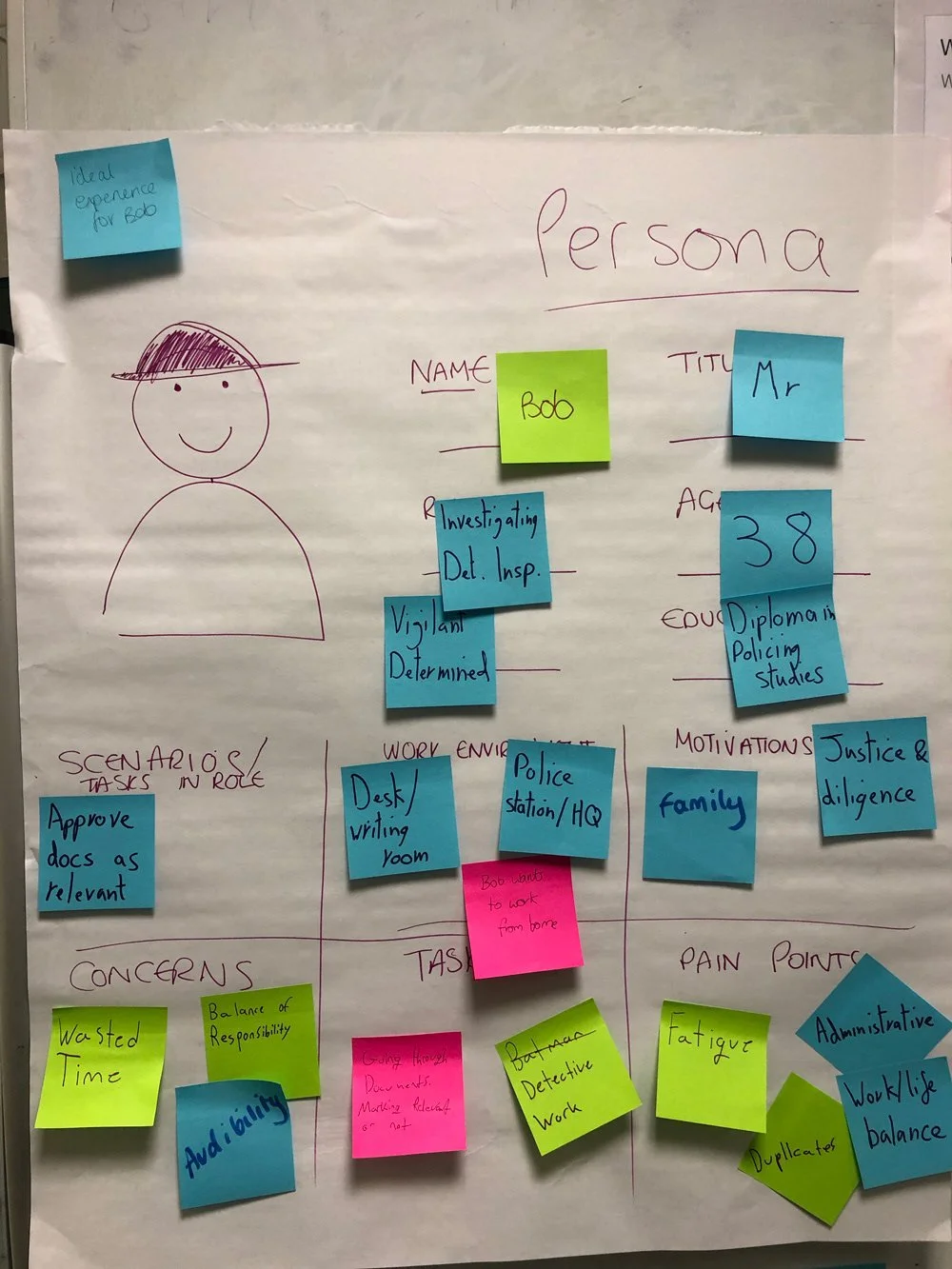
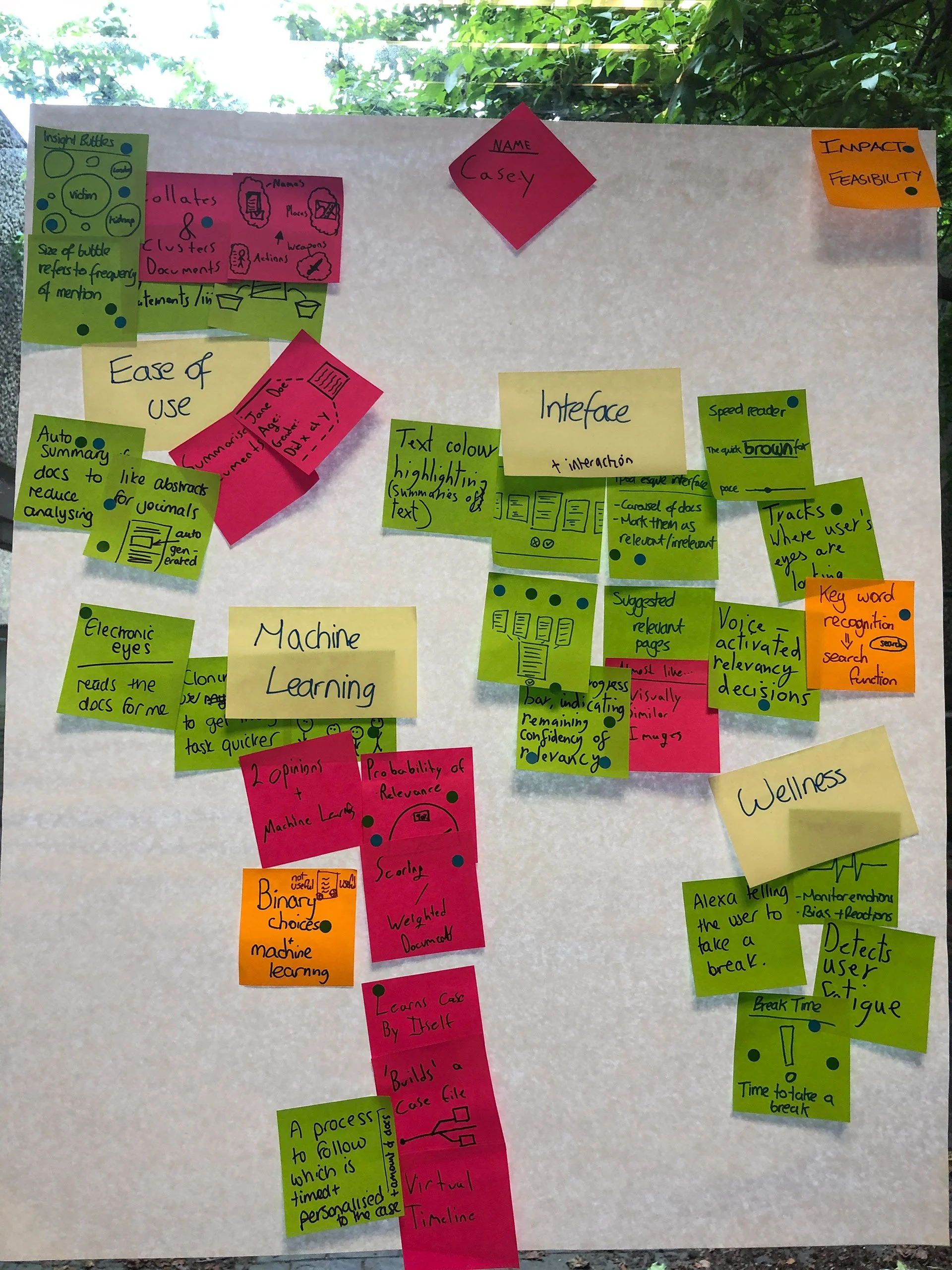
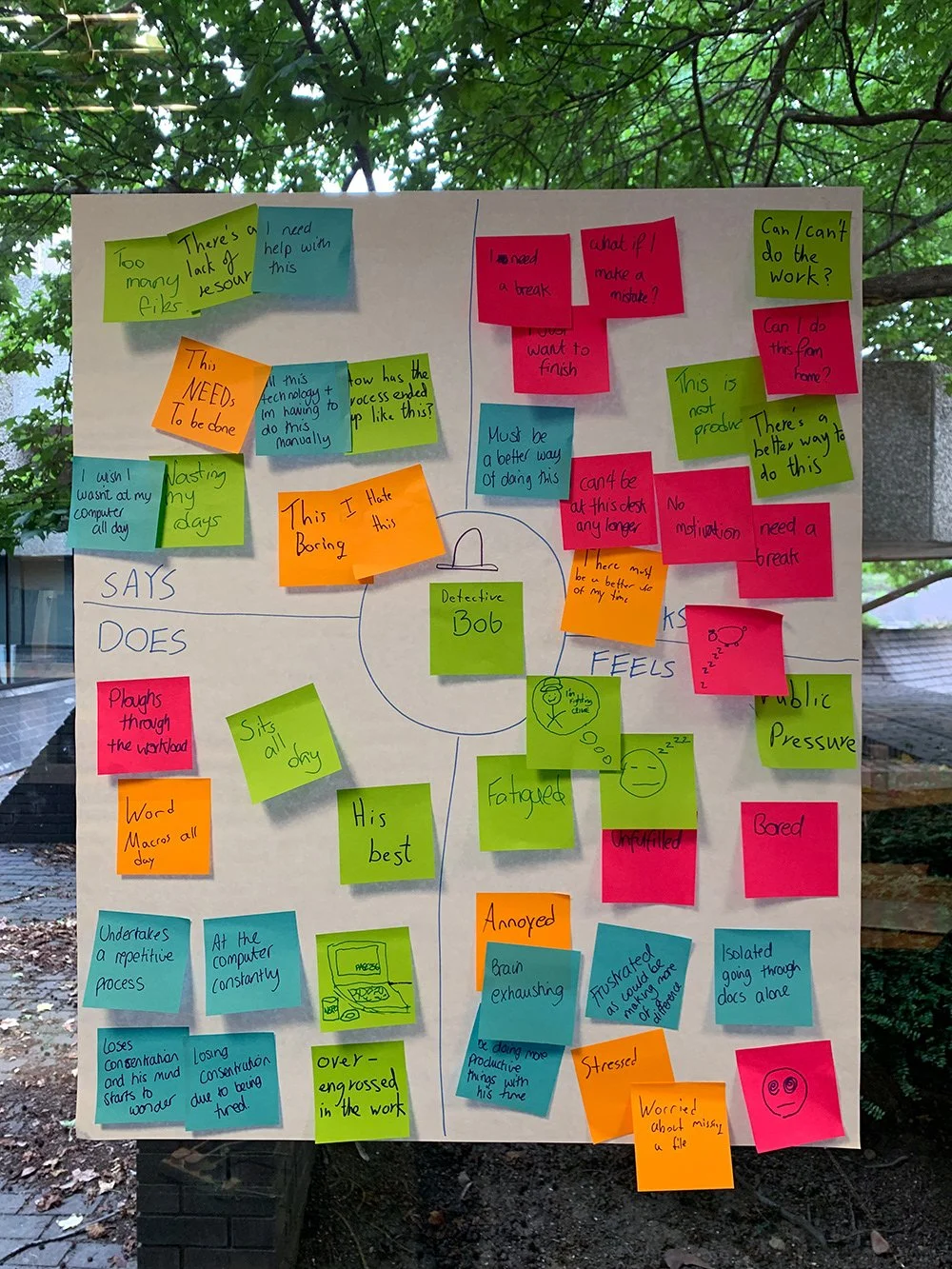
Business Canvas / Persona / Empathy Map / As is Scenario / Big Ideas / Storyboarding / Prioritisation Grid / Experience Based Roadmap / Prototype
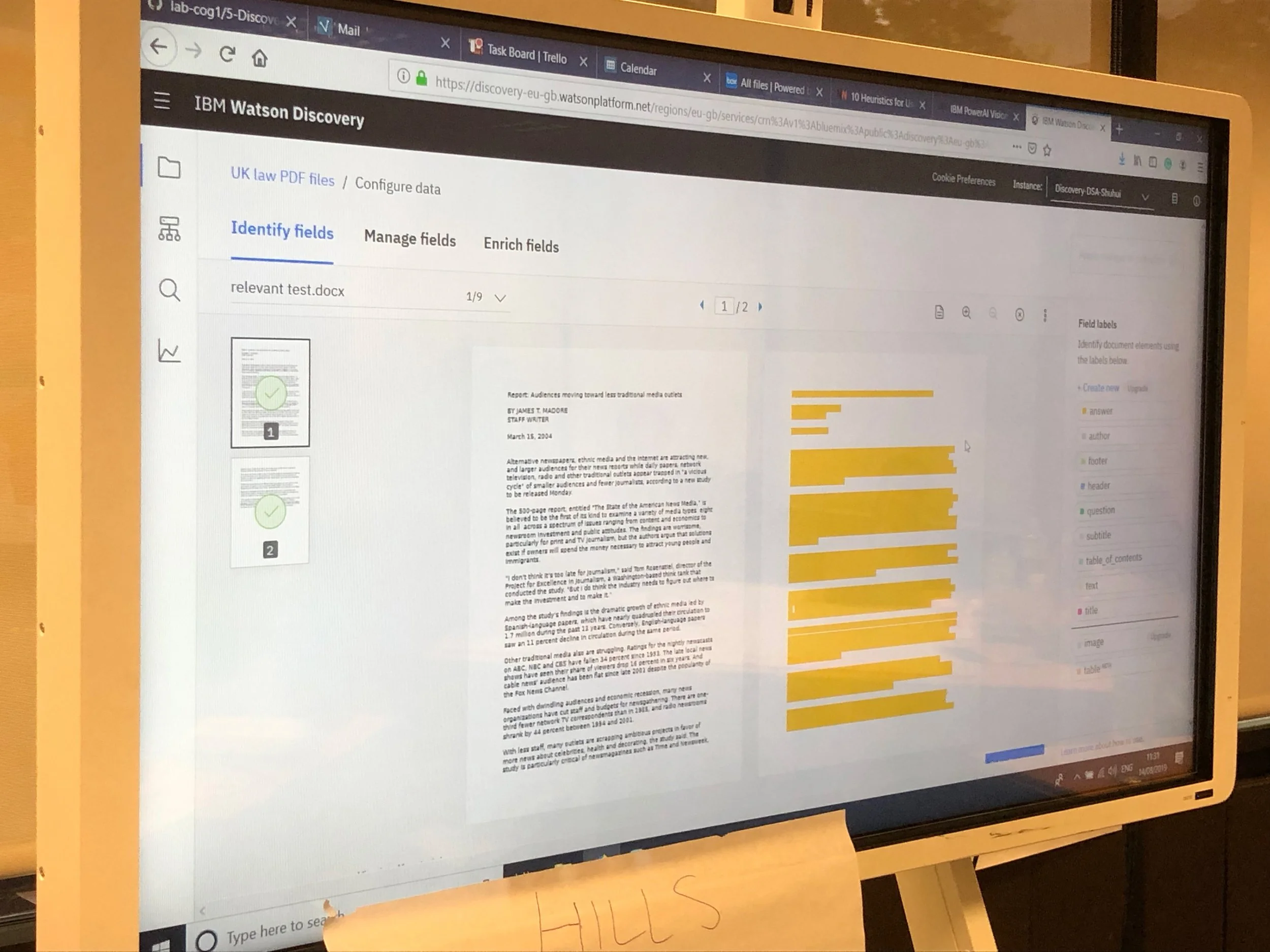
Utilising IBM Design Thinking and Watson technology, the team used the power of assistive intelligence (AI) to develop a solution.
The Approach
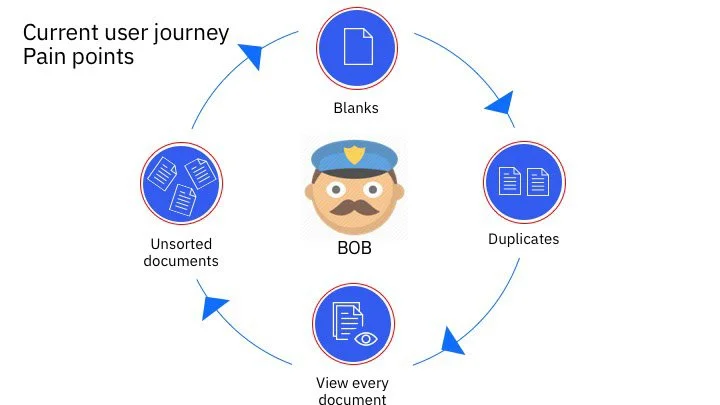
Through Design Thinking we were able to discover pain points within the user journey:
Unsorted documents | Blanks | Duplicates
Removing these pain points reduces workload, time and costs allowing investigating officers to do more meaningful work in the field.
The Solution
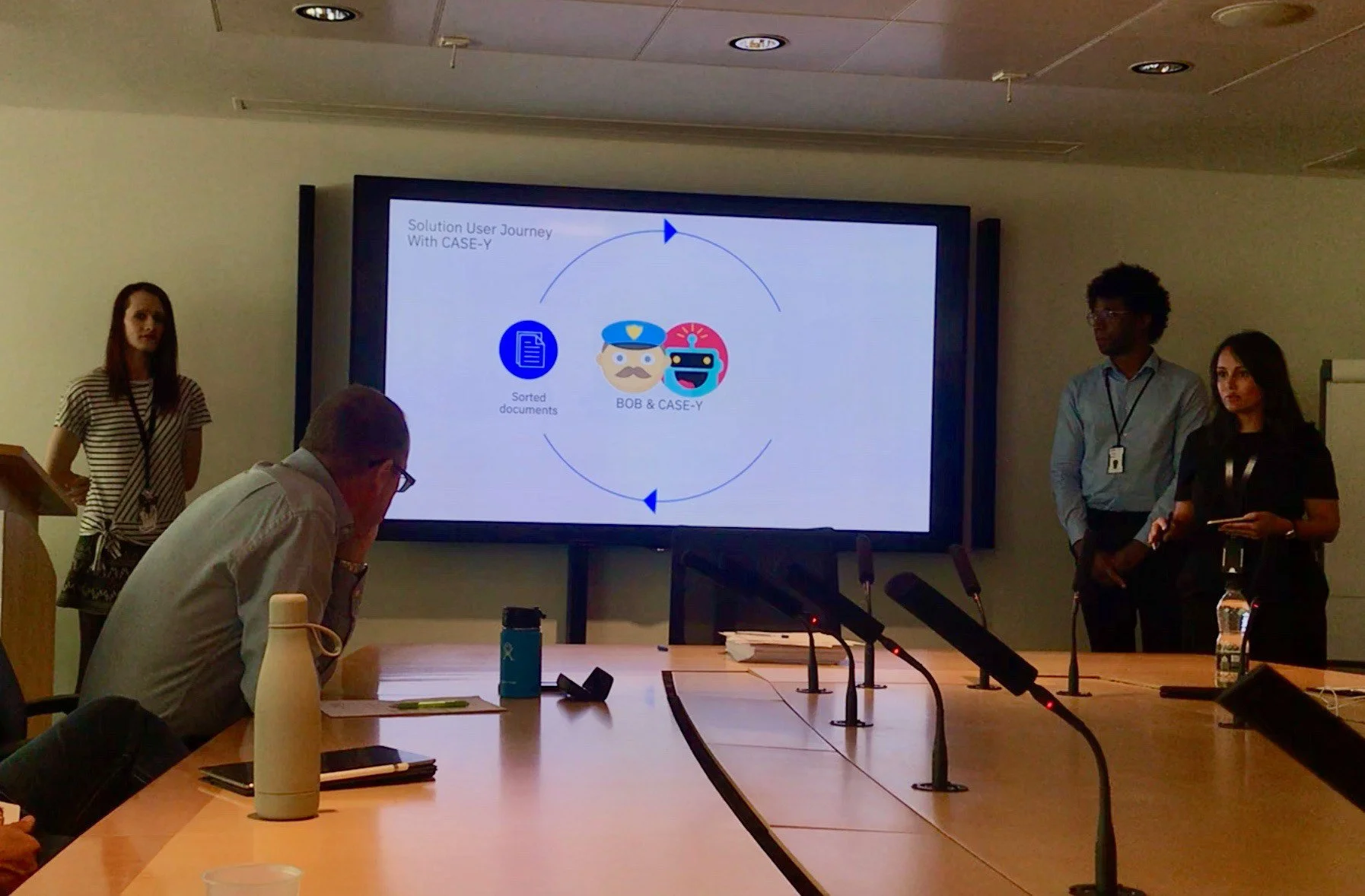
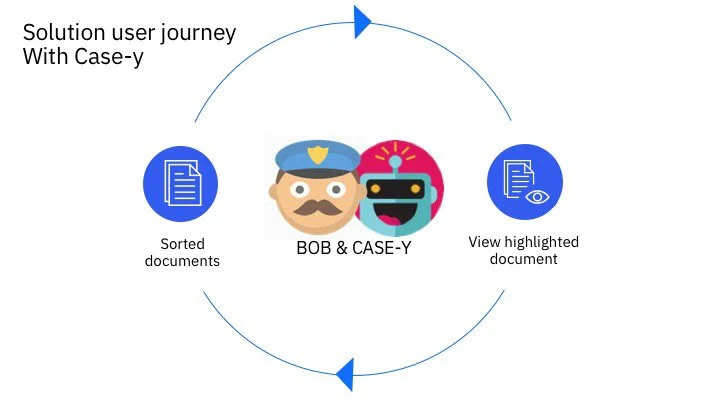
CASE-Y - assistive intelligence (AI) aid for investigating officers.
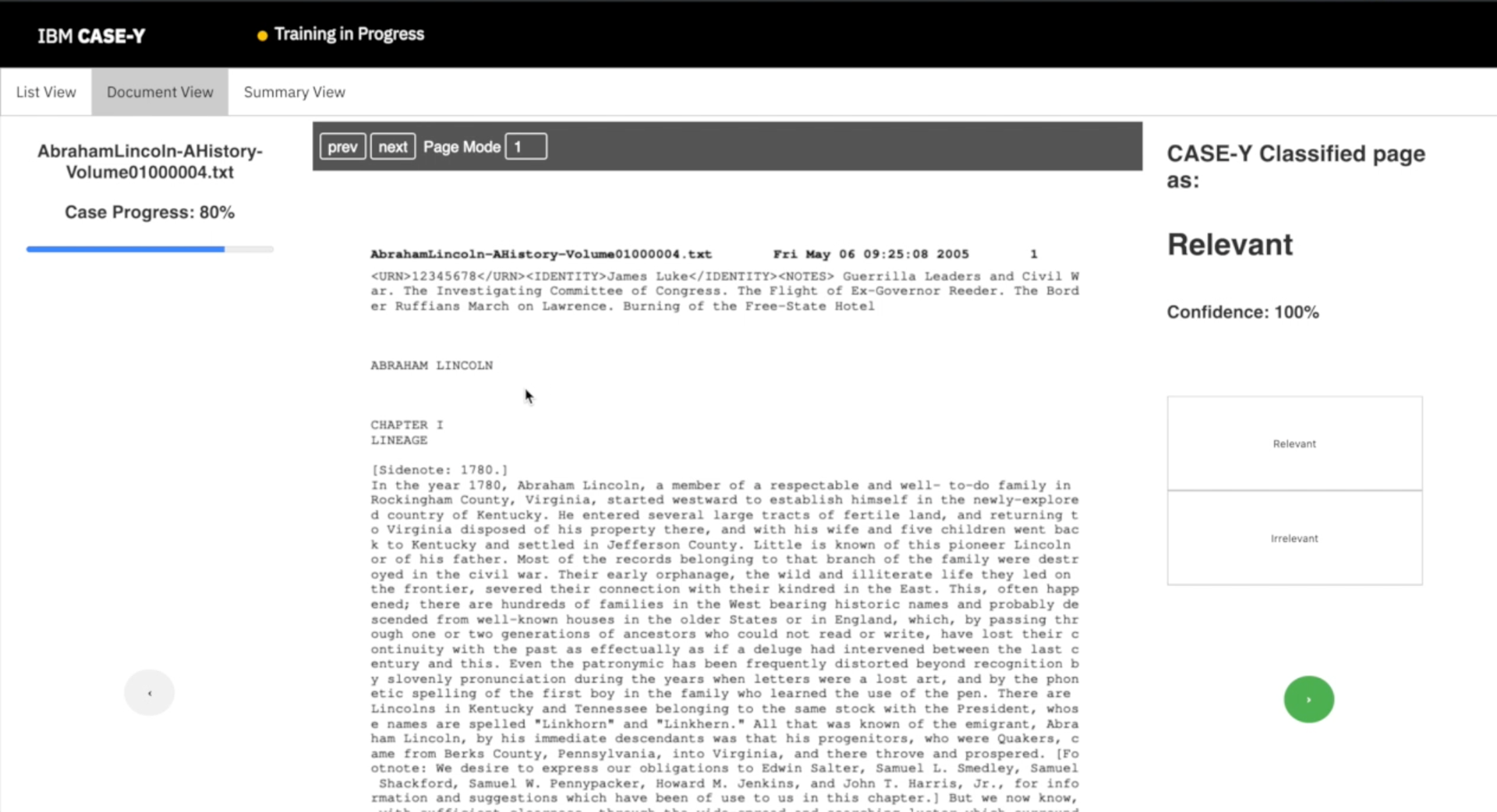
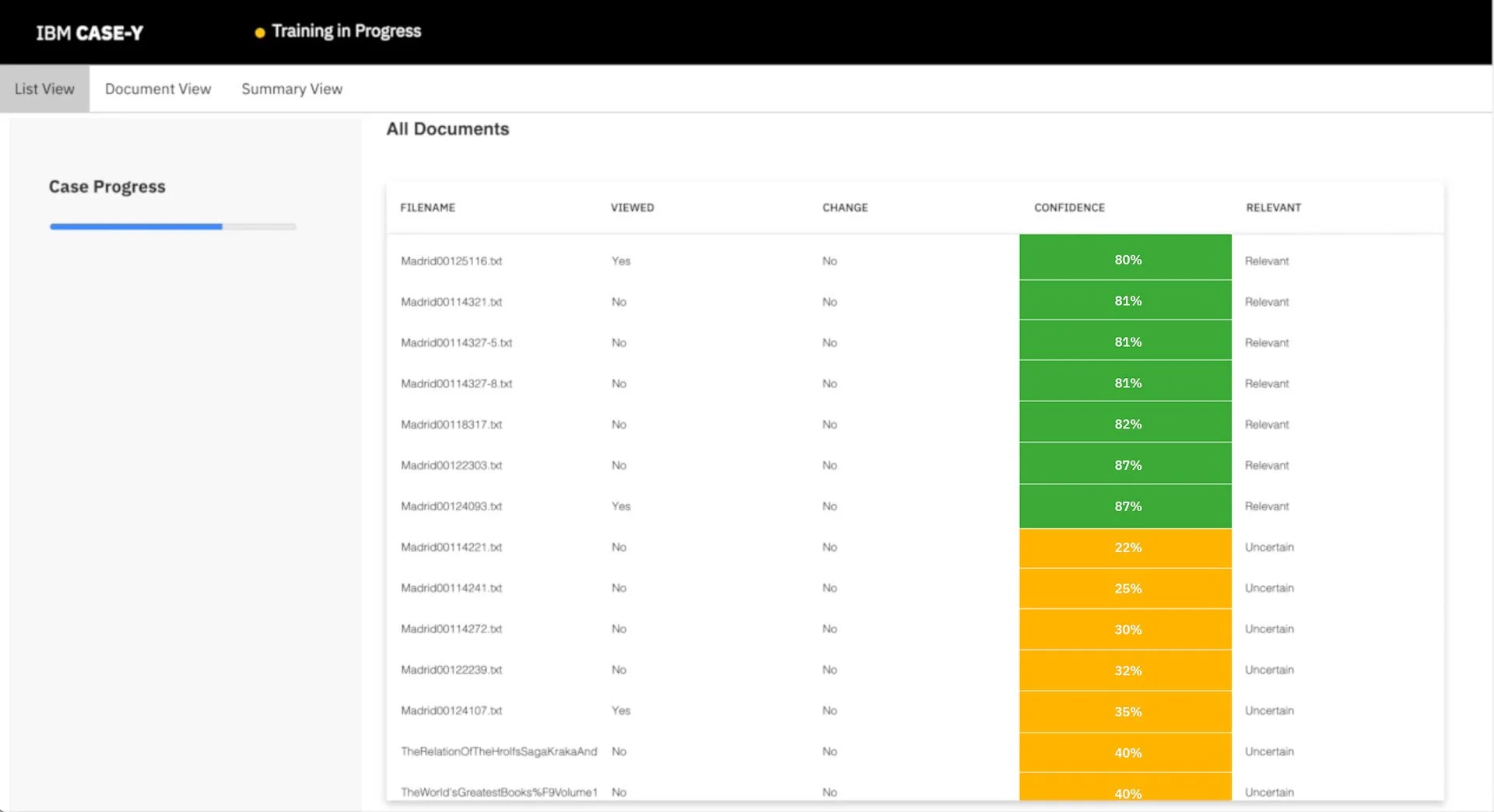
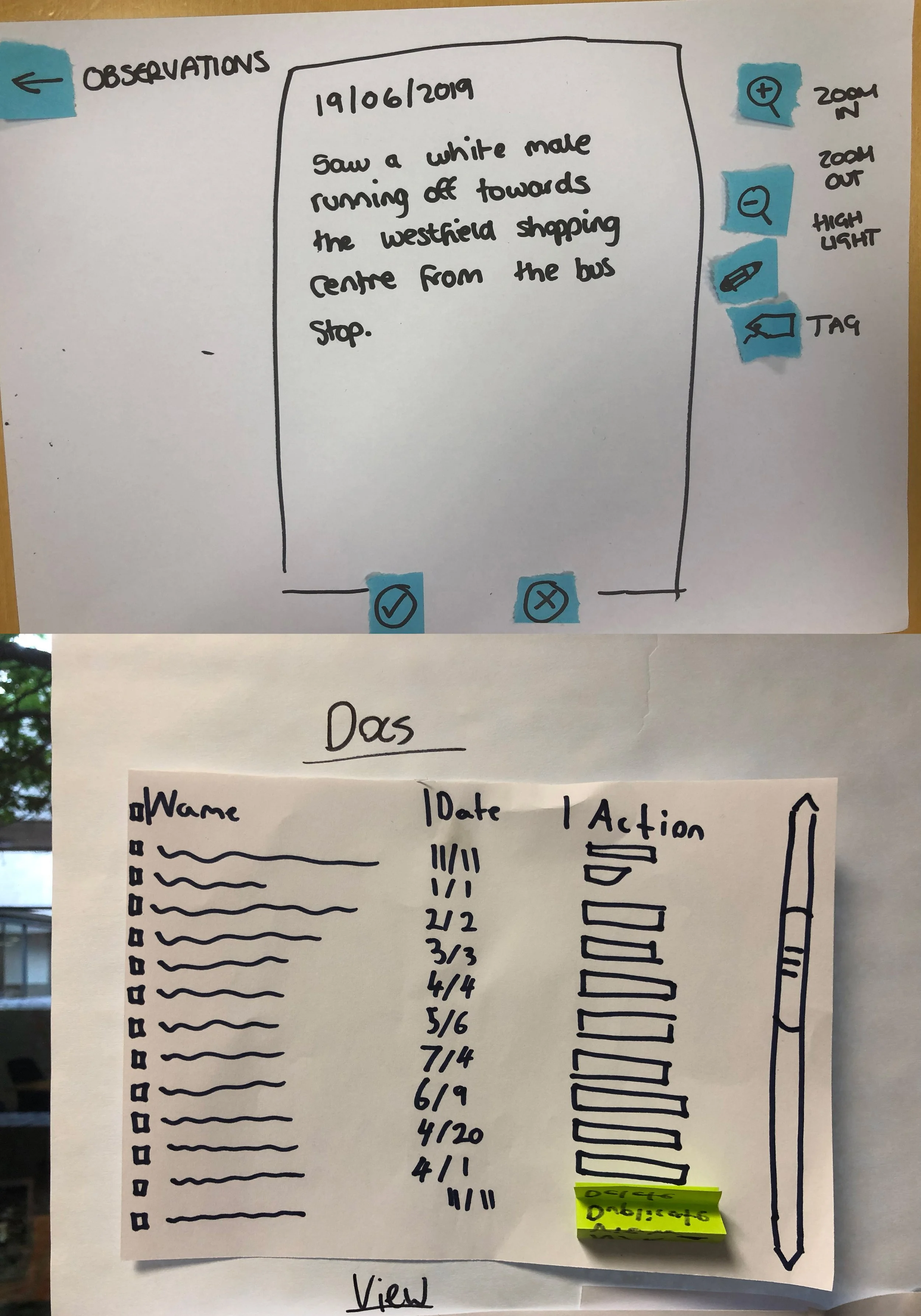
Utilising Watson AI, CASE-Y removes all of the blanks and duplicates, and begin training for the case based on an investigation brief which has been inputted at the same time the documents were uploaded, well before the investigating officers is presented with the documents. By identifying patterns between the content based on the brief, CASE-Y is able to present the investigating officer with a list of documents which have been pre-sorted in order of relevancy. Within this list, documents which require a human level of decision making are highlighted by CASE-Y as irrelevant or unclassified. This helps identify which documents specifically require the users’ attention. Relevant documents sorted by CASE-Y are given a CASE-Y confidence score to reassure the investigating officer of the CASE-Y’s accuracy during the sorting process.
Based on the case study we were able to work out that with the addition of CASE-Y, the time saved would be 73% and the cost would be reduced by £2million.
This project received internal and external stakeholder buy-in, and has been recognised as a viable solution for similar problem statements. CASE-Y as a proof-of-concept was then taken into the rapid prototyping-typing team for further development and further training.